
Twin Cities Flight Training
Part 61 flight training from Private Pilot through Flight Instructor at Anoka County-Blaine (Janes Field) Airport.
 Rates checkedChecked September 16, 2026 by Samip Shah, CFI, CFII, AGI
At a glance
- 7 aircraft across 3 types.
- A private pilot certificate here, flying 2x a week, is estimated at $14,295.
Basics
| Training rules | Part 61 |
|---|---|
| Certificates | Private Pilot, Instrument Rating, Commercial Pilot, Flight Instructor |
| Website | twincitiesflight.com |
| Phone | (763) 780-4375 |
Aircraft and rates
7 aircraft · 3 types
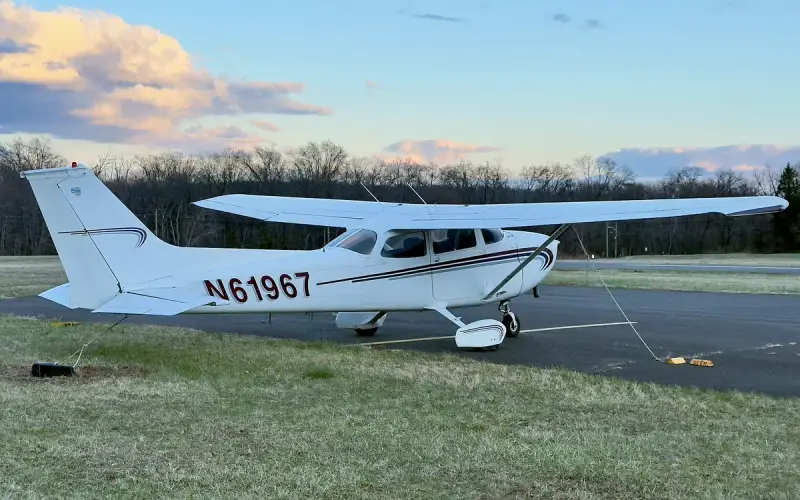
- At this school
- 5
- Built
- 1999 to 2004
- Rate
- $125 to $155/hr
| Tail | FAA model | Built | Rate (dry) |
|---|---|---|---|
| N242SPCessna 172S | Cessna 172S | 1999 | $125/hr |
| N775SPCessna 172S | Cessna 172S | 2001 | $125/hr |
| N65453Cessna 172S | Cessna 172S | 2004 | $125/hr |
| N521ERCessna 172SPremium avionics tier. | Cessna 172S | 2001 | $155/hr |
| N673SPCessna 172SPremium avionics tier. | Cessna 172S | 2000 | $155/hr |
Rates as the school publishes them. Model and year built from the FAA aircraft registry, November 6, 2026.
Instruction and rate notes
Checked September 16, 2026This estimate uses Twin Cities Flight Training's published dry rates. It does not include fuel or the 2% MAC (Metropolitan Airports Commission) fee, which are billed separately per their website.
The examiner's checkride fee is not on this card: the examiner sets it, not the school. The estimate above includes PilotBound's own figure for it.
Airport
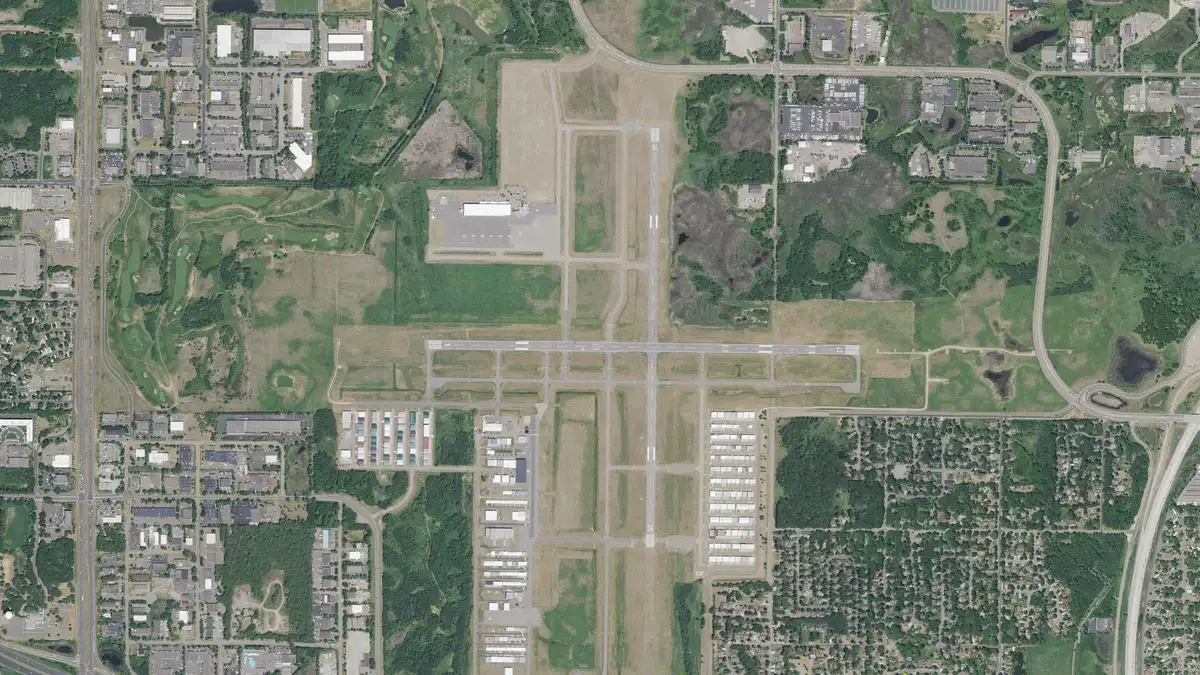
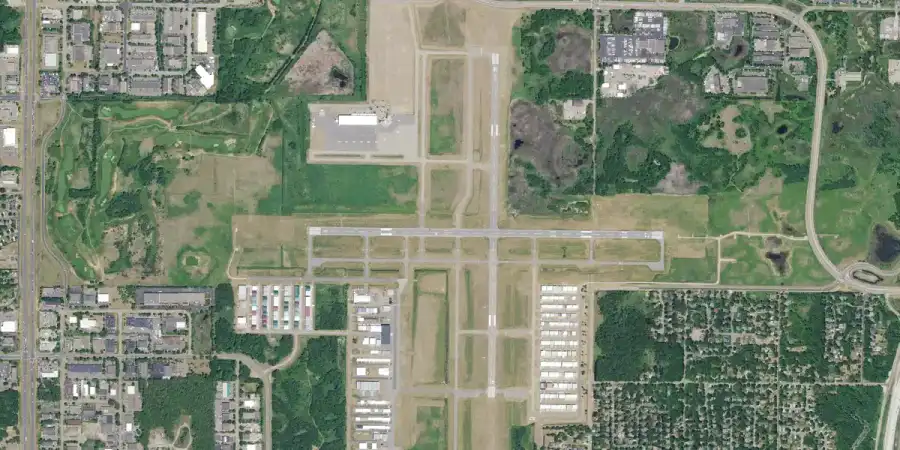
Anoka County-Blaine (Janes Field) KANE
Home field · 2 runways · longest 5,000 ft · asphalt
Aerial imagery: USDA NAIP imagery via the USGS National Map
Weather
In an average year, January to June has 123 flyable days out of 181. That is the six months your estimate covers, marked under the chart.
What counts as a flyable day
At least three hours between 9 am and 5 pm with the cloud base at 3,000 feet or higher, visibility of 5 miles or more, wind at 15 knots or less with gusts under 20, and no thunderstorm, snow or freezing rain. Hourly observations from the airport's own weather station, 2016 to 2025. Source: Iowa Environmental Mesonet ASOS archive, Iowa State University.
What it costs
Certificate
Flying
Hours
Two-seat, lowest-cost way to start.
Shown at Twin Cities Flight Training's published dry rate. Fuel is billed separately and is not included in this estimate.
Where this comes from
Examiner records (DPE dataset).PilotBound estimate
$14,295
Usually $12,300 to $16,300 · about 6 months
- Airplane72 hrs in Cessna 150L × $85/hr$6,120
- Instructor58 hrs dual × $100/hr$5,800
One-time feesWritten test, checkride, medical, headset and more$2,375
- Knowledge (written) test$175
- Checkride / DPE fee$800
- Medical certificate$150
- Headset$700
- Ground school / test prep$300
- Books, charts & supplies$250
The hourly flying is priced on Twin Cities Flight Training's published rates (dry; fuel billed separately). The one-time fees are typical national figures, not Twin Cities Flight Training's prices, and several are set by third parties.
Discovery flight
$234.99
Checked September 16, 2026
Paying for it
Two ways to cover $14,295.
Win what you can first, then borrow only what is left.
- Money you keepScholarships you could apply for44 open to anyone, plus 2 in Minnesota. Top awards reach $22,200.
- Minnesota Pilots Association Aviation Scholarships$3,000 · Open · closes in 146 days
- MNYAF Private Pilot Certificate Program ScholarshipAmount varies · Southern Minnesota · Check dates
- 46
- Money you pay backLenders that cover $14,295All six lenders in our comparison lend this much. That is whether a loan this size is on offer, not whether you would be approved.
- 6 of 6
What to ask when you call
What turns an hourly rate into a real bill.
Your published rates are dry. Roughly what does fuel add per hour on the trainer?
The published figures leave fuel out, so they understate the real hourly cost until you add it.
What gets billed on top of the hourly rates, and roughly how much per hour does it add?
The site notes extras beyond the hourly figures. Ask for the all-in number per hour, not the base rate.
Does the instructor rate change for the Instrument, Commercial, or CFI, or is it flat across everything?
Plenty of schools charge more for advanced instruction. A flat rate quoted for the Private can climb later.
Do you offer block rates or prepay discounts, and what is the refund policy if I stop partway?
Block discounts are common and rarely published. The refund terms matter more than the discount.
What do you charge for the written test, the checkride, and the examiner's fee?
The DPE fee alone runs $800 to $1,200 in most of the country and is almost never in a quoted hourly rate.
How many trainers and how many full-time instructors do you have right now?
Availability decides your pace, and pace decides your total more than the hourly rate does.
In the app
Track it against Twin Cities Flight's rates.
Twin Cities Flight Training's rate card is in the PilotBound app. Choose Twin Cities Flight when you set up and the app prices your training at its rates, then tracks every flight you log against the projection.

 Scan to download on your iPhone
Questions
How much does it cost to get a private pilot license at Twin Cities Flight Training?
Twin Cities Flight Training publishes $85 per hour for the Cessna 150L and $100 per hour for instruction on it, checked September 16, 2026. Applied to those published rates, PilotBound estimates a private pilot certificate at about $14,295, in a range of $12,300 to $16,300. That covers roughly 72 hours of flying and instruction plus the one-time fees most quotes leave out, including the written test, the examiner's checkride fee, a medical, and study materials. It is a PilotBound estimate built on the school's published rates, not a quote from Twin Cities Flight Training.
How long does it take to get a private pilot license at Twin Cities Flight Training?
Flying twice a week, PilotBound estimates about 6 months at Twin Cities Flight Training to reach the private pilot checkride, at roughly 72 hours. Pace is the single biggest variable: flying once a week typically stretches the timeline and raises the total, because time between lessons gets spent re-learning. Weather, aircraft availability, and instructor turnover all push the same direction.
Is Twin Cities Flight Training a Part 61 or Part 141 flight school?
Twin Cities Flight Training trains under Part 61, the flexible path. There is no FAA-approved syllabus to follow, so lessons can be scheduled around your life and adapted to your pace. The tradeoff is a slightly higher paper minimum for the private certificate (40 hours versus 35) and, for most students, no VA benefit eligibility.
Do Twin Cities Flight Training's aircraft rates include fuel?
Twin Cities Flight Training publishes $85 per hour for the Cessna 150L, a dry rate, so fuel is billed separately on top. Fuel typically adds roughly $30 to $60 per hour, so compare a dry rate against a wet one carefully. PilotBound's estimate uses the published dry rate exactly as listed and does not add a guessed fuel figure. Rates checked September 16, 2026.
What ratings can you train for at Twin Cities Flight Training?
Twin Cities Flight Training trains Private Pilot, Instrument Rating, Commercial Pilot and Flight Instructor. Instruction is $100 per hour across the ratings it teaches. PilotBound's estimator on this page prices any of these paths on Twin Cities Flight Training's own published rates.
Sources
Estimates use Twin Cities Flight Training's published Cessna 150L and instructor rates (checked September 16, 2026), shown in USD for planning only. Real cost varies by student, weather, and pace. A range, not a quote.
PilotBound is not affiliated with, endorsed by, or sponsored by Twin Cities Flight Training. School names are used only to identify the school. Estimates use PilotBound's own completion-hours model, examiner-completion data where it exists and FAA minimums where it does not, applied to each school's published rates. They are PilotBound estimates, not the school's quote, and will differ from a school's own figures. Methodology · Disclaimer & removal policy.
Are you Twin Cities Flight? Every figure here is yours, shown with its source and date.
Plan the money before you commit.
A program price only makes sense next to what each rating costs on its own, what scholarships exist, and what borrowing actually looks like.
What each rating costs
Per-rating ranges, with the fees most quotes leave out.
Scholarships first
Verified flight training scholarships. Every scholarship dollar is a dollar you never finance.
If you borrow
Compare lenders and see the real monthly payment before you sign.