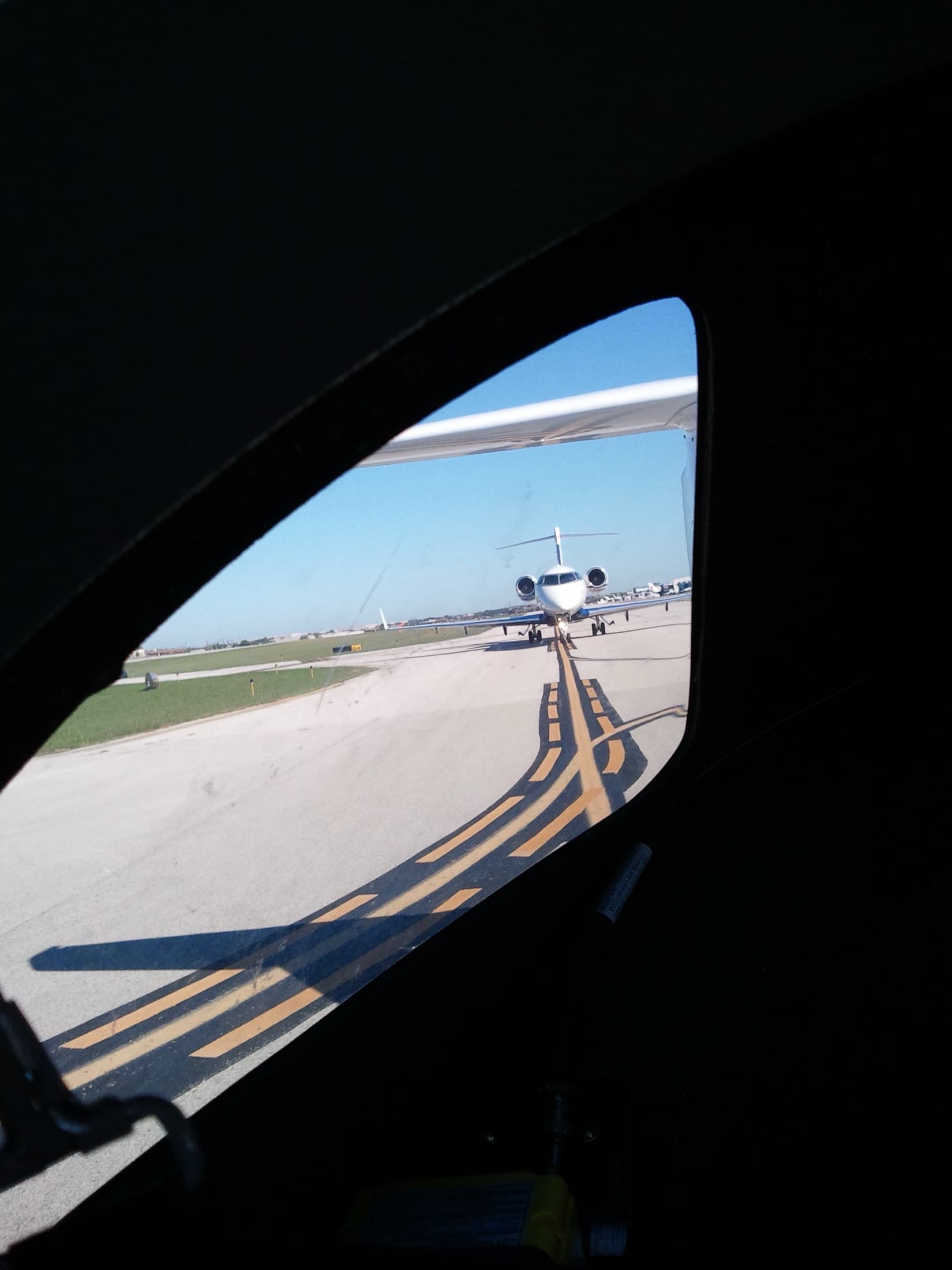

Can a plane land itself?
There are two true answers, and they have very different shapes. Since 2020, a certified button exists on some small airplanes that will land the airplane with nobody flying it. And airliners have been able to land themselves in fog for decades, with two trained pilots setting it up and watching it. What neither is: a reason a passenger in a typical airplane could sit back and let the machine handle it.
The button exists: Garmin Autoland
On May 15, 2020, the FAA certified Garmin Autoland on the Piper M600/SLS, the first airplane approved with a system that lands itself when the pilot cannot. It activates two ways: a passenger pushes the button, or the system notices the pilot has stopped interacting with the flight deck and takes over on its own. It then chooses an airport, weighing wind, weather and the runway length that airplane needs, squawks the emergency code, broadcasts to controllers and nearby pilots, configures the gear and flaps, lands, brakes to a stop and shuts down the engine. On the way down it plays videos telling the passengers what is happening and, at the end, how to open the door and get out. The Cirrus Vision Jet and Daher TBM 940 were slated next at approval, with more since.
So for the handful of new single-engine airplanes that carry it, the answer is genuinely yes, and the passenger-with-an-incapacitated-pilot emergency is exactly the scenario it was built for. The catch is fleet reality: these are new, high-end airplanes. The decades of trainers and touring airplanes most people would actually be sitting in, the 172s of the world, have no such button.
Airliners: yes, but it is a crew procedure
Airliner autoland is real and routine, and it exists for one reason: landing when the fog is too thick to see the runway in time. The FAA's approval criteria for those lowest-visibility landings run to a whole document covering the airplane's automatic landing systems, the crew's ground and flight training and qualification, and the instrument landing equipment on the specific runway. Two type-rated pilots brief the approach, configure the automation, and monitor it to the ground with their hands on the controls, ready to go around. The machine flies; the crew commands. Nothing about it activates on its own, and none of it works without the people in the front seats.
The difference between an autopilot and a landing is written in one accident. When the crew of Helios Airways Flight 522 was incapacitated by hypoxia in 2005, the Boeing 737's autopilot flew the programmed route perfectly, arrived, and circled until the fuel ran out. An autopilot holds a path. It does not decide to land, pick a runway, slow down, configure, flare or stop. The airplane that could not save its own crew is why the full record of passengers landing planes contains small planes and human voices, not airliners and automation.
Which leaves you
Strip away the two automated cases and the original question is still standing. In the airplane without the button, with the pilot slumped over, the landing belongs to whoever is left, a radio, and whoever the tower can find to talk. We built the 90-second version of that moment: a 172-class trainer on final, a tower coaching you down, and the two controls the whole problem reduces to.
In the browser, no button to press.
Becoming the pilot the machine does not replace, median published rates, 568 schools
Private pilot, all-in. Examiner data puts the typical student at about 72 hours, and most of the landing hours come before the first solo. Checked October 20, 2026.
Opens the estimator.
Self-landing questions
Can a plane really land itself?
Some can, in two very different senses. Since May 2020 the FAA has certified Garmin Autoland on a handful of small aircraft, an emergency system that flies to an airport and lands with no human input when the pilot is incapacitated. Separately, many airliners can fly an autoland approach in very low visibility, but that is a procedure a trained crew sets up and monitors, on an equipped runway. Neither is a no-pilot mode you could rely on from the cabin of a typical airplane.
What does Garmin Autoland do when it activates?
It takes over completely. The system activates when a passenger pushes the guarded button, or on its own if the pilot stops interacting with the flight deck for long enough. It then picks an airport weighing wind, weather and runway length for that airplane, squawks the emergency transponder code, broadcasts to air traffic control and nearby pilots, configures the gear and flaps, lands, brakes to a stop, and shuts down the engine, while playing videos that tell passengers what is happening and how to get out.
Which planes have Autoland?
The Piper M600/SLS was first, certified May 15, 2020, with the Cirrus Vision Jet and Daher TBM 940 slated next at the time of approval, and more added since. These are new, high-end single-engine airplanes. The trainers most people would actually ride in, and the airliners most people actually fly on, do not have a land-me button.
Do airliners land themselves?
They can, under strict conditions. Airliner autoland exists so crews can land in visibility too low to see the runway in time, and the FAA's approval criteria cover the airplane's systems, the crew's training and qualification, and the ground equipment on the runway being used. The pilots brief it, configure it, and monitor it with hands on the controls. It is a low-visibility tool operated by pilots, not a replacement for them.
Could the autopilot have saved Helios Flight 522?
No, and it is the clearest illustration of the difference. When the crew of Helios 522 was incapacitated by hypoxia in 2005, the autopilot did exactly what autopilots do: it held the programmed path, flew to the destination, and circled until the fuel ran out. An autopilot maintains a path. It does not decide to land, choose an airport, configure the airplane, or put it on a runway. That is what makes an emergency autoland system a different machine.
Sources for this page:
Piper first with Garmin Autoland approval (AOPA, May 18, 2020)
Helios Airways Flight 522 accident overview (FAA Lessons Learned)
Autoland availability beyond the aircraft named at certification changes as approvals land; check the manufacturer for a current list. Rate medians are computed from the published rates in our cost report at build, and are estimates, not quotes.