
Glass Cockpit Aviation
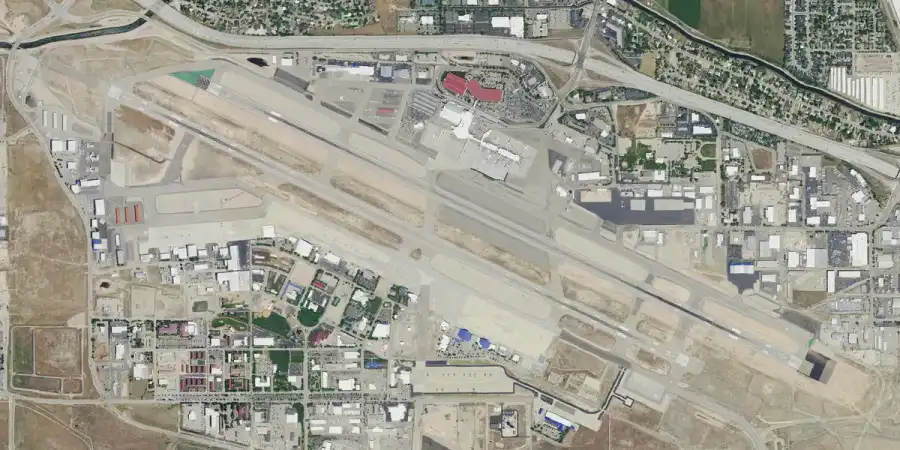
Flight training from Private Pilot through Instrument Instructor at Boise Air Terminal/Gowen Field.
 Rates checkedChecked October 12, 2026 by Samip Shah, CFI, CFII, AGI
At a glance
- 6 aircraft across 3 types.
- Lessons from Boise (KBOI) and Twin Falls (KTWF).
- A private pilot certificate here, flying 2x a week, is estimated at $16,435.
Basics
| Certificates | Private Pilot, Instrument Rating, Commercial Pilot, Flight Instructor, Instrument Instructor |
|---|---|
| Website | glasscockpitaviation.com |
| Phone | (208) 869-6459 |
Aircraft and rates
6 aircraft · 3 types
- At this school
- 2
- Built
- 1963 to 1975
- Rate
- $155 to $165/hr
| Tail | FAA model | Built | Base | Rate (fuel basis not stated) |
|---|---|---|---|---|
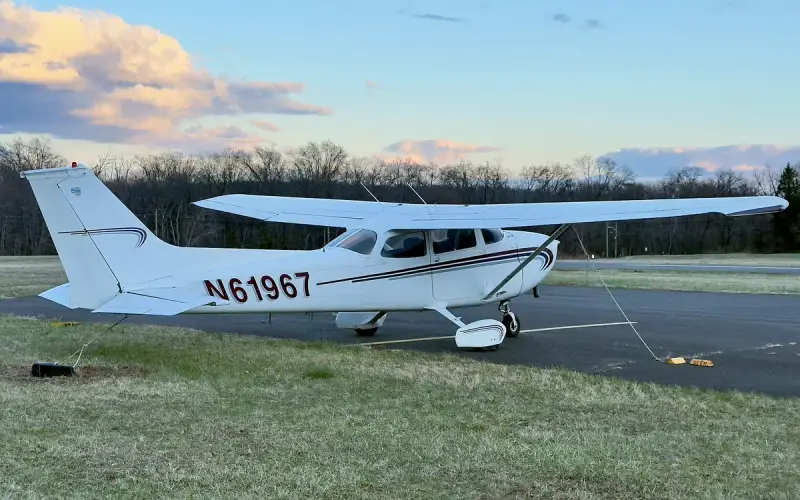
| N3803SCessna 172EBoise (KBOI) | Cessna 172E | 1963 | Boise (KBOI) | $155/hr |
| N61557Cessna 172MBoise (KBOI) | Cessna 172M | 1975 | Boise (KBOI) | $165/hr |
Rates as the school publishes them. Model and year built from the FAA aircraft registry, November 6, 2026.
Instruction and rate notes
Checked October 12, 2026Glass Cockpit Aviation does not say whether its published rates include fuel. This estimate uses the rate exactly as published, so ask before you budget: a dry rate adds roughly $30 to $60 per hour once fuel is on top.
The examiner's checkride fee is not on this card: the examiner sets it, not the school. The estimate above includes PilotBound's own figure for it. Glass Cockpit's site does not state whether its rates include fuel. Glass Cockpit does not state whether it trains under Part 61 or Part 141, so the estimate above is built on Part 61 hours.
Airports
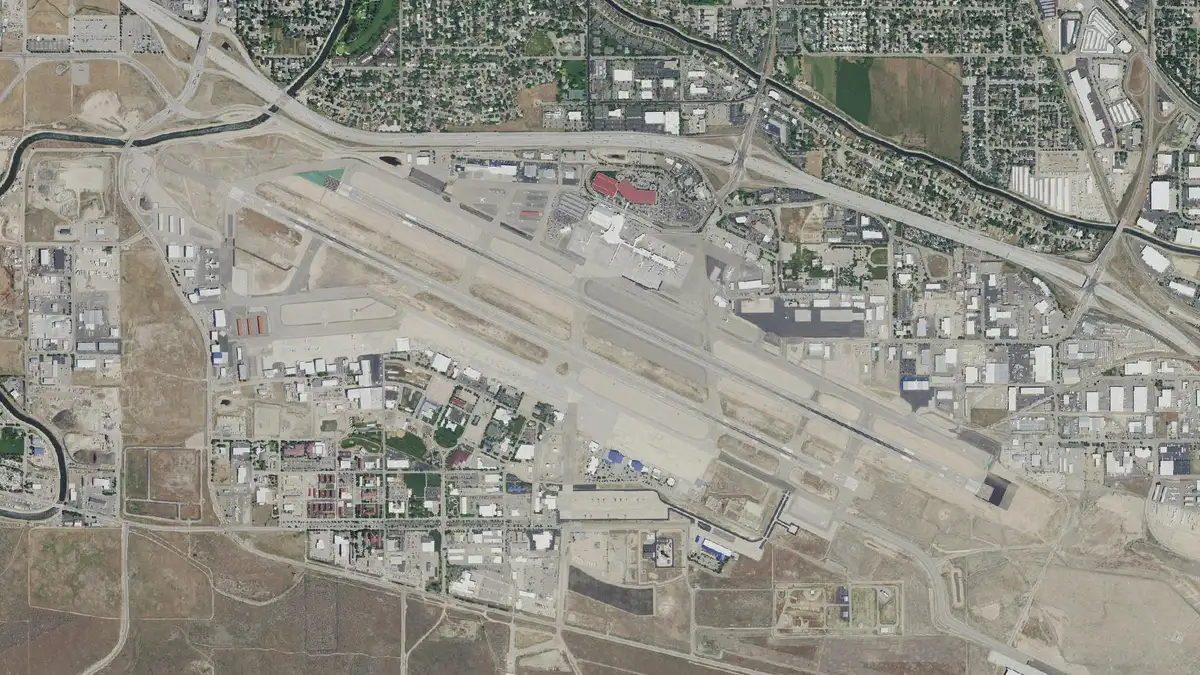
Boise Air Terminal/Gowen Field KBOI
Home field · 2 runways · longest 10,000 ft · asphalt
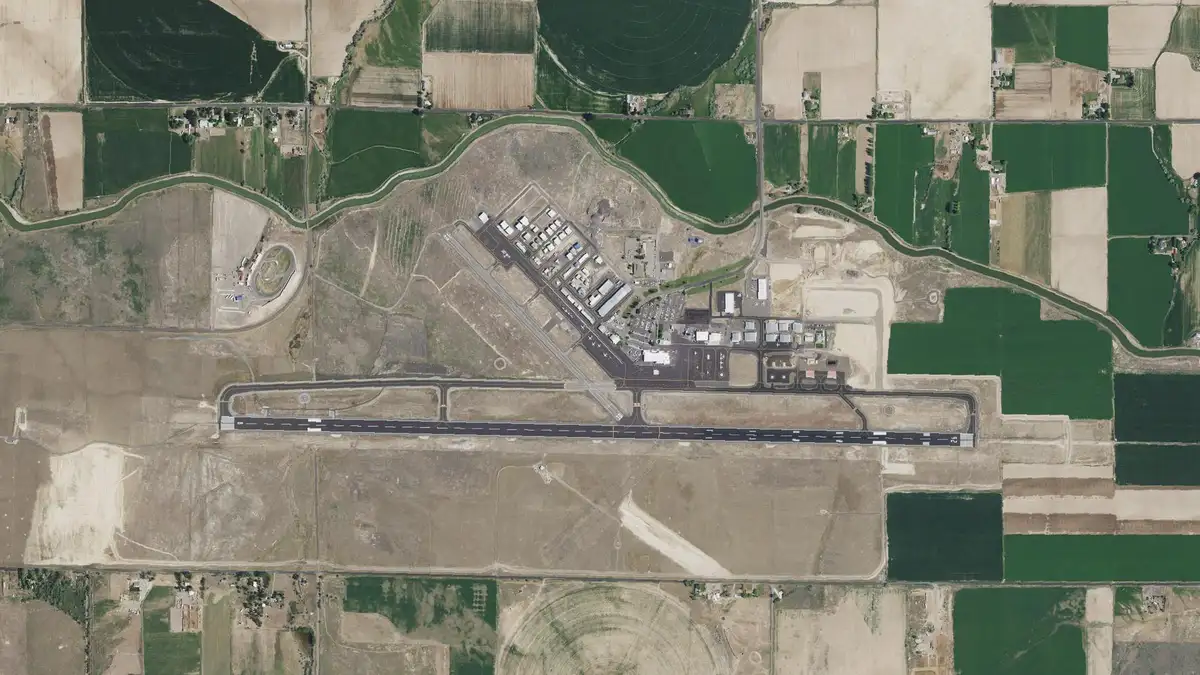
Joslin Field Magic Valley Regional KTWF
100 nm southeast · 2 runways · longest 8,704 ft · asphalt
Aerial imagery: USDA NAIP imagery via the USGS National Map
Weather
In an average year, January to June has 155 flyable days out of 181. That is the six months your estimate covers, marked under the chart.
What counts as a flyable day
At least three hours between 9 am and 5 pm with the cloud base at 3,000 feet or higher, visibility of 5 miles or more, wind at 15 knots or less with gusts under 20, and no thunderstorm, snow or freezing rain. Hourly observations from the airport's own weather station, 2016 to 2025. Source: Iowa Environmental Mesonet ASOS archive, Iowa State University.
What it costs
Certificate
Flying
Hours
Where this comes from
Examiner records (DPE dataset).PilotBound estimate
$16,435
Usually $14,100 to $18,700 · about 6 months
- Airplane72 hrs in Cessna 172 × $155/hr$11,160
- Instructor58 hrs dual × $50/hr$2,900
One-time feesWritten test, checkride, medical, headset and more$2,375
- Knowledge (written) test$175
- Checkride / DPE fee$800
- Medical certificate$150
- Headset$700
- Ground school / test prep$300
- Books, charts & supplies$250
The hourly flying is priced on Glass Cockpit Aviation's published rates. The one-time fees are typical national figures, not Glass Cockpit Aviation's prices, and several are set by third parties.
Paying for it
Two ways to cover $16,435.
Win what you can first, then borrow only what is left.
- Money you keepScholarships you could apply for44 open to anyone. Top awards reach $22,200.No Idaho-only awards in the directory yet.
- 44
- Money you pay backLenders that cover $16,435All six lenders in our comparison lend this much. That is whether a loan this size is on offer, not whether you would be approved.
- 6 of 6
What to ask when you call
The marked ones are what Glass Cockpit's site never answers. The rest are what turns an hourly rate into a real bill.
Missing from their site
Do the published aircraft rates include fuel, or is fuel billed separately?
The site does not say, and it is the difference between two rates that look identical and are not.
Does the instructor rate change for the Instrument, Commercial, or CFI, or is it flat across everything?
Plenty of schools charge more for advanced instruction. A flat rate quoted for the Private can climb later.
Missing from their site
Do you train under Part 61 or Part 141?
It changes the minimum hours, and for some students it changes financing eligibility.
Do you offer block rates or prepay discounts, and what is the refund policy if I stop partway?
Block discounts are common and rarely published. The refund terms matter more than the discount.
What do you charge for the written test, the checkride, and the examiner's fee?
The DPE fee alone runs $800 to $1,200 in most of the country and is almost never in a quoted hourly rate.
How many trainers and how many full-time instructors do you have right now?
Availability decides your pace, and pace decides your total more than the hourly rate does.
In the app
Track it against Glass Cockpit's rates.
Glass Cockpit Aviation's rate card is in the PilotBound app. Choose Glass Cockpit when you set up and the app prices your training at its rates, then tracks every flight you log against the projection.

 Scan to download on your iPhone
Questions
How much does it cost to get a private pilot license at Glass Cockpit Aviation?
Glass Cockpit Aviation publishes $155 per hour for the Cessna 172 and $50 per hour for instruction on it, checked October 12, 2026. Applied to those published rates, PilotBound estimates a private pilot certificate at about $16,435, in a range of $14,100 to $18,700. That covers roughly 72 hours of flying and instruction plus the one-time fees most quotes leave out, including the written test, the examiner's checkride fee, a medical, and study materials. It is a PilotBound estimate built on the school's published rates, not a quote from Glass Cockpit Aviation.
How long does it take to get a private pilot license at Glass Cockpit Aviation?
Flying twice a week, PilotBound estimates about 6 months at Glass Cockpit Aviation to reach the private pilot checkride, at roughly 72 hours. Pace is the single biggest variable: flying once a week typically stretches the timeline and raises the total, because time between lessons gets spent re-learning. Weather, aircraft availability, and instructor turnover all push the same direction.
Is Glass Cockpit Aviation a Part 61 or Part 141 flight school?
Glass Cockpit Aviation does not state on its own website whether it trains under Part 61 or Part 141, so we do not list one. It is worth asking directly before you enroll: Part 141 follows an FAA-approved syllabus and is generally what VA benefits require, while Part 61 is more flexible on scheduling.
Do Glass Cockpit Aviation's aircraft rates include fuel?
Glass Cockpit Aviation publishes $155 per hour for the Cessna 172, a rate that does not say whether fuel is included. Ask before you budget: if the rate turns out to be dry, fuel adds roughly $30 to $60 per hour on top. PilotBound's estimate uses the rate exactly as published. Rates checked October 12, 2026.
What ratings can you train for at Glass Cockpit Aviation?
Glass Cockpit Aviation trains Private Pilot, Instrument Rating, Commercial Pilot, Flight Instructor and Instrument Instructor. Instruction is $50 per hour across the ratings it teaches. PilotBound's estimator on this page prices any of these paths on Glass Cockpit Aviation's own published rates.
Sources
Estimates use Glass Cockpit Aviation's published Cessna 172 and instructor rates (checked October 12, 2026), shown in USD for planning only. Real cost varies by student, weather, and pace. A range, not a quote.
PilotBound is not affiliated with, endorsed by, or sponsored by Glass Cockpit Aviation. School names are used only to identify the school. Estimates use PilotBound's own completion-hours model, examiner-completion data where it exists and FAA minimums where it does not, applied to each school's published rates. They are PilotBound estimates, not the school's quote, and will differ from a school's own figures. Methodology · Disclaimer & removal policy.
Are you Glass Cockpit? Every figure here is yours, shown with its source and date.
Plan the money before you commit.
A program price only makes sense next to what each rating costs on its own, what scholarships exist, and what borrowing actually looks like.
What each rating costs
Per-rating ranges, with the fees most quotes leave out.
Scholarships first
Verified flight training scholarships. Every scholarship dollar is a dollar you never finance.
If you borrow
Compare lenders and see the real monthly payment before you sign.